Rockford University
Higher education · 2017–2020
A creative operations system for a university
Running the work of a one-person creative department across recruitment, fundraising, alumni communications, publications, and campus environments.
Role
Graphic Designer
Sole in-house visual designer
Period
May 2017
June 2020
Documented scale
250–300 scheduled pieces
per academic year
Scope
Design, production, coordination
art direction & mentoring
Case study summary
Serve many institutional audiences as the university's sole in-house visual designer while managing 250–300 scheduled pieces annually.
Combined hands-on design with the intake, tracking, delivery, archive, vendor, and student-worker systems needed to keep the work moving.
Created a dependable internal design function that could support recurring production and substantial institutional work without losing continuity.
Selected output
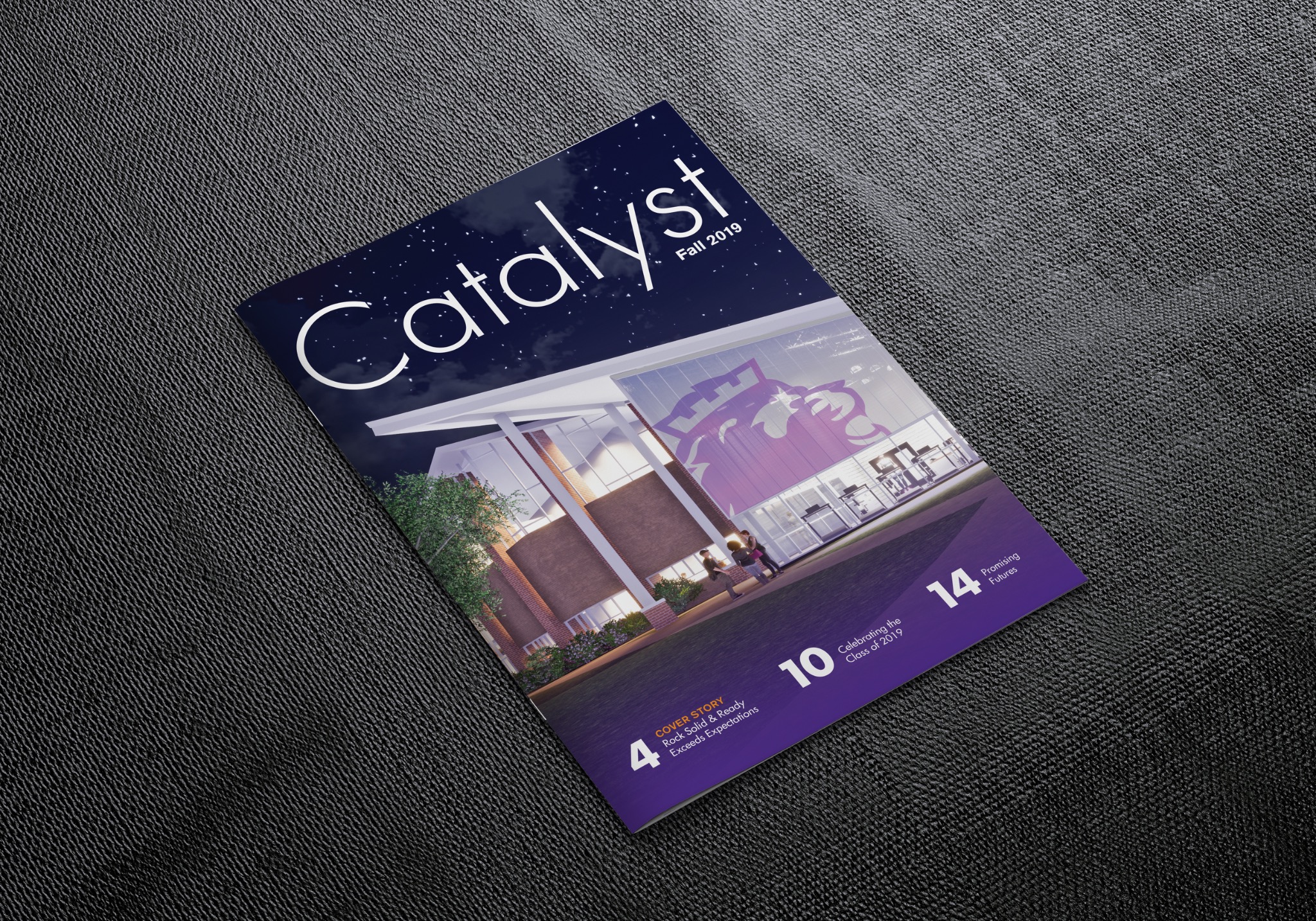
Catalyst magazine
A publication system built to hold very different stories together.
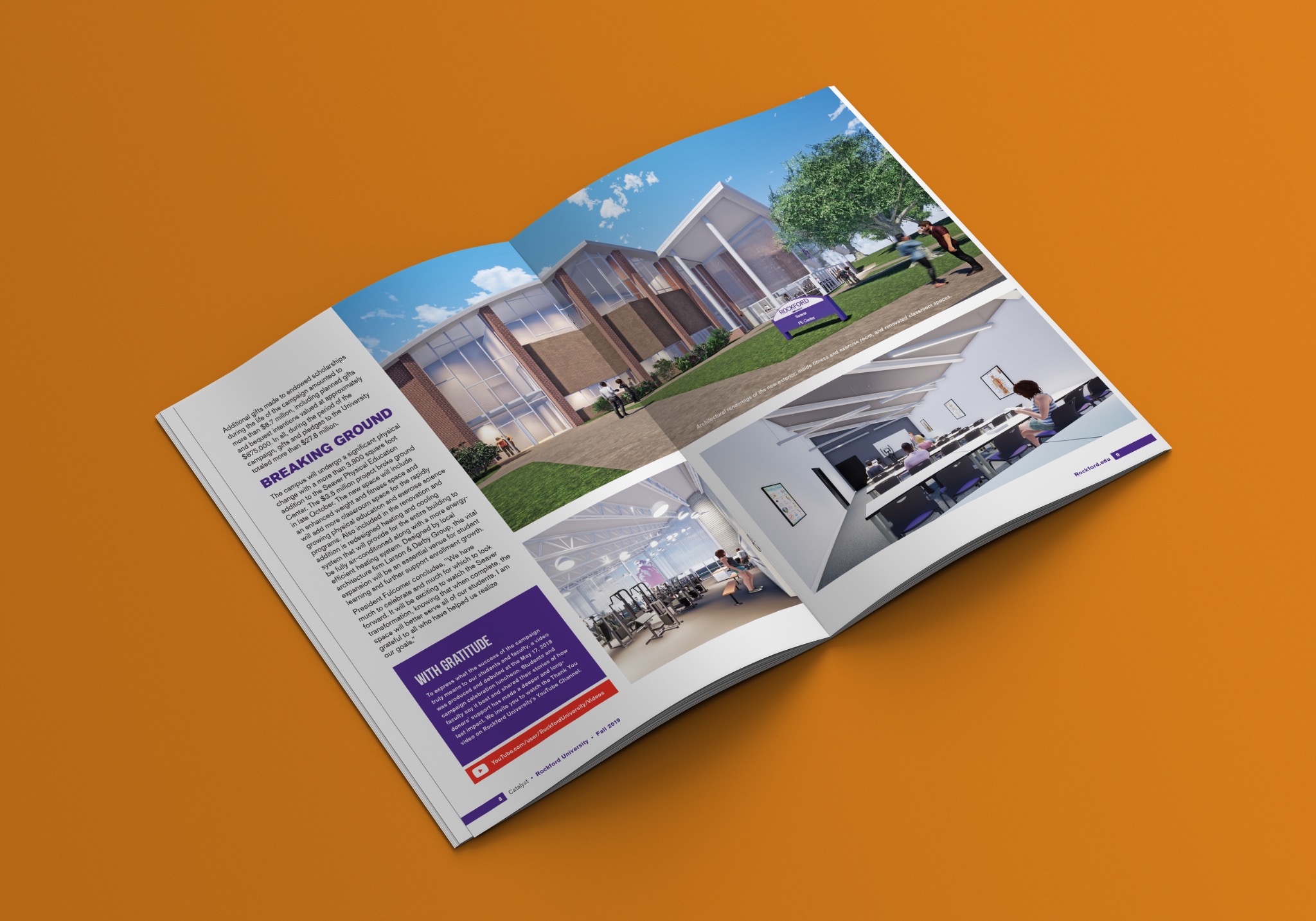
The Fall 2019 issue demonstrates editorial hierarchy, long-form production, image handling, and visual continuity across stories with very different source material. It also documented the conclusion of the university's Rock Solid & Ready campaign, which reported $18.4 million raised against an original $17.3 million goal.
The campaign result provides publication context and reflects a university outcome. It was not caused by the design alone.
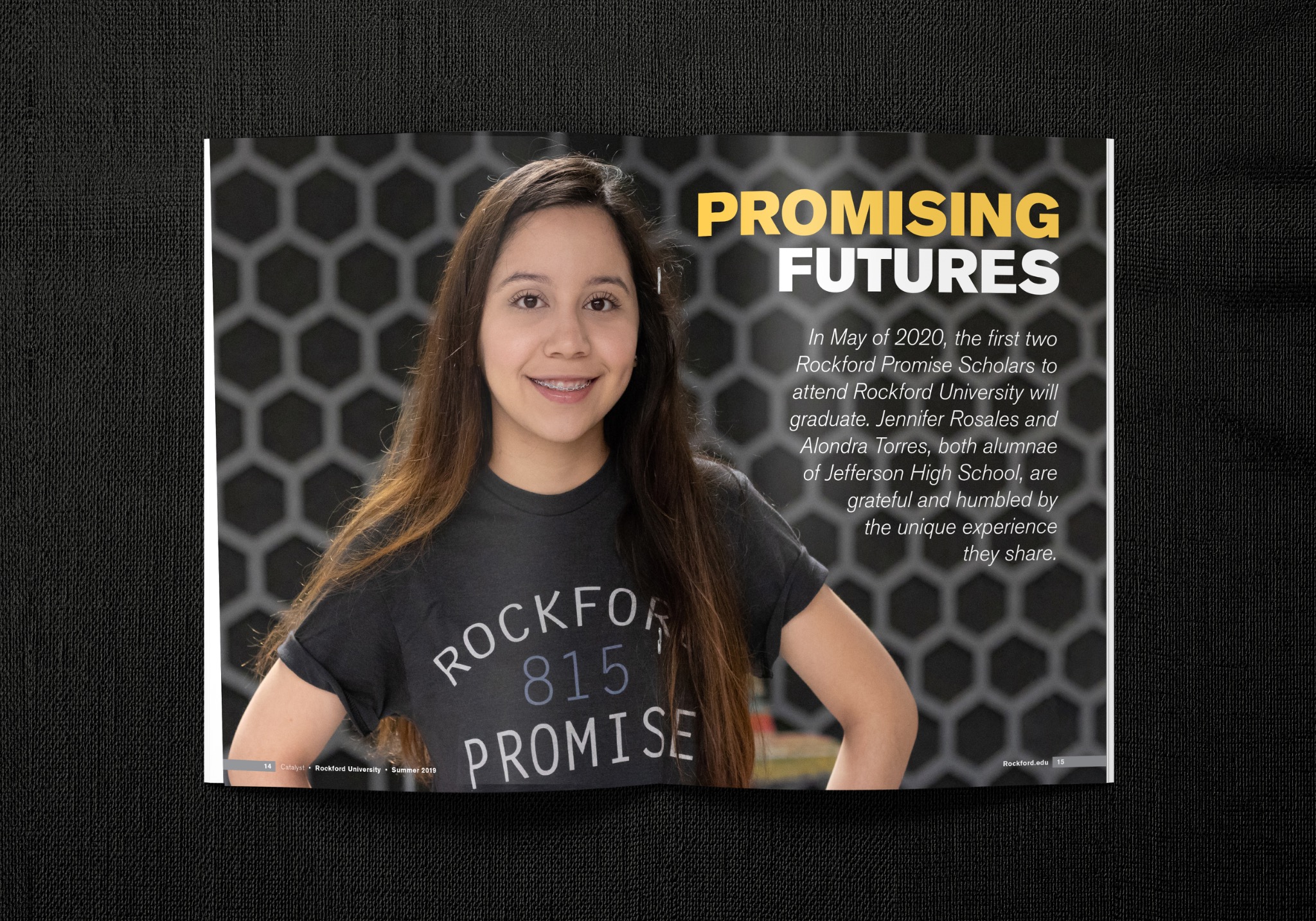
Editorial pacing: a finished spread balancing institutional storytelling, photography, and long-form copy.
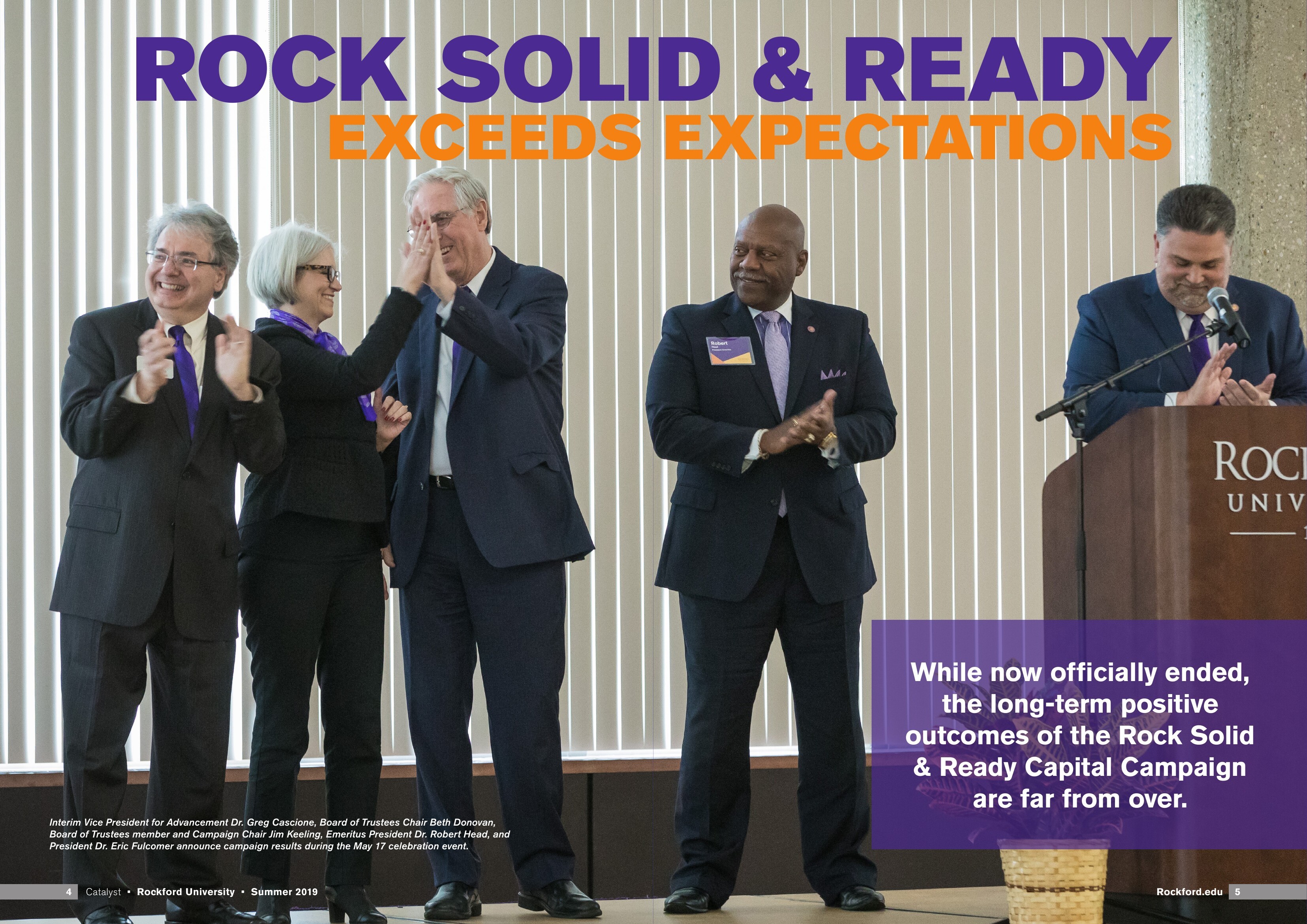
Campaign storytelling: a decisive photograph and oversized headline turn an institutional result into an editorial opening.
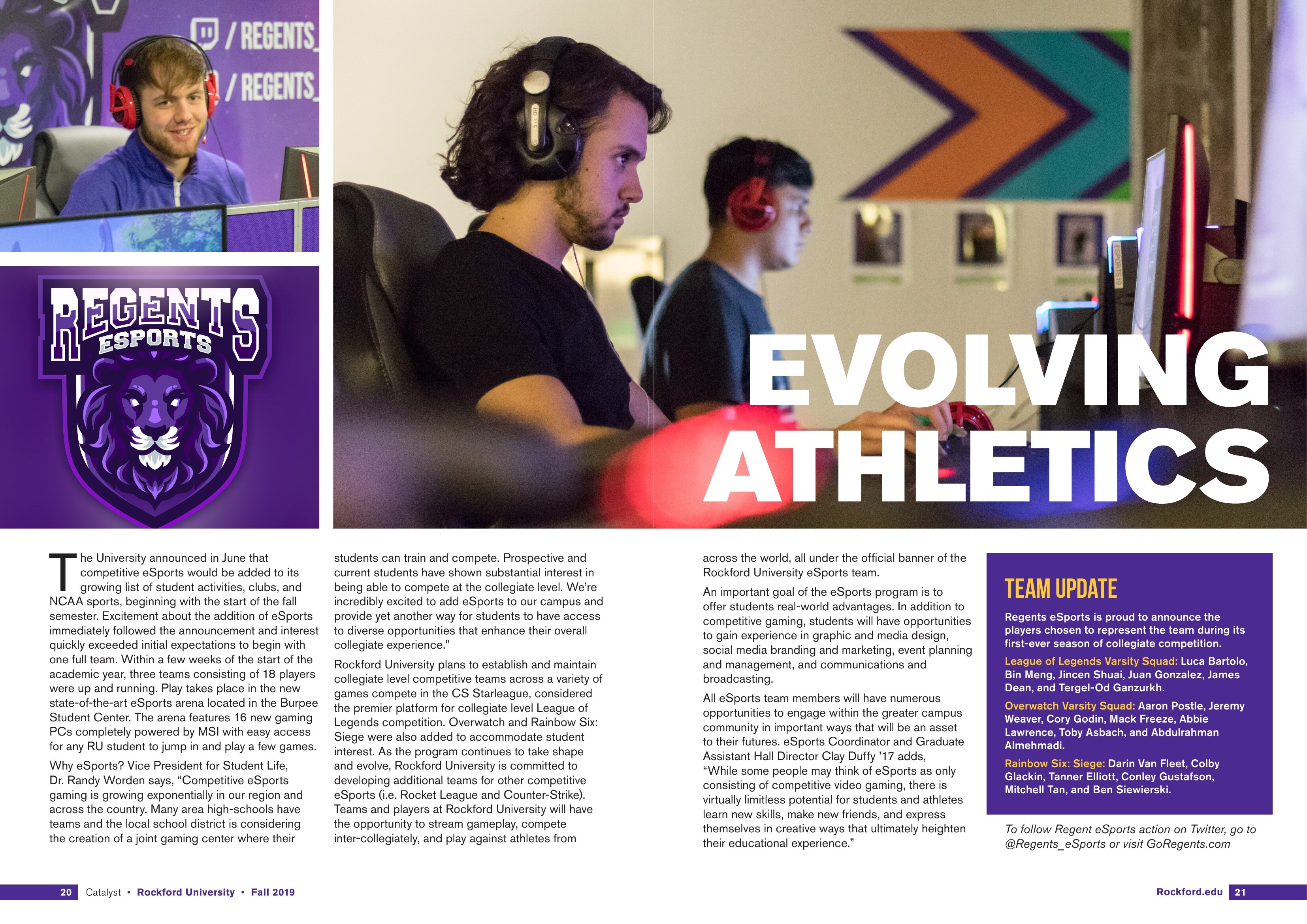
Audience range: energetic photography, program identity, and structured long-form copy introduce a new campus initiative.
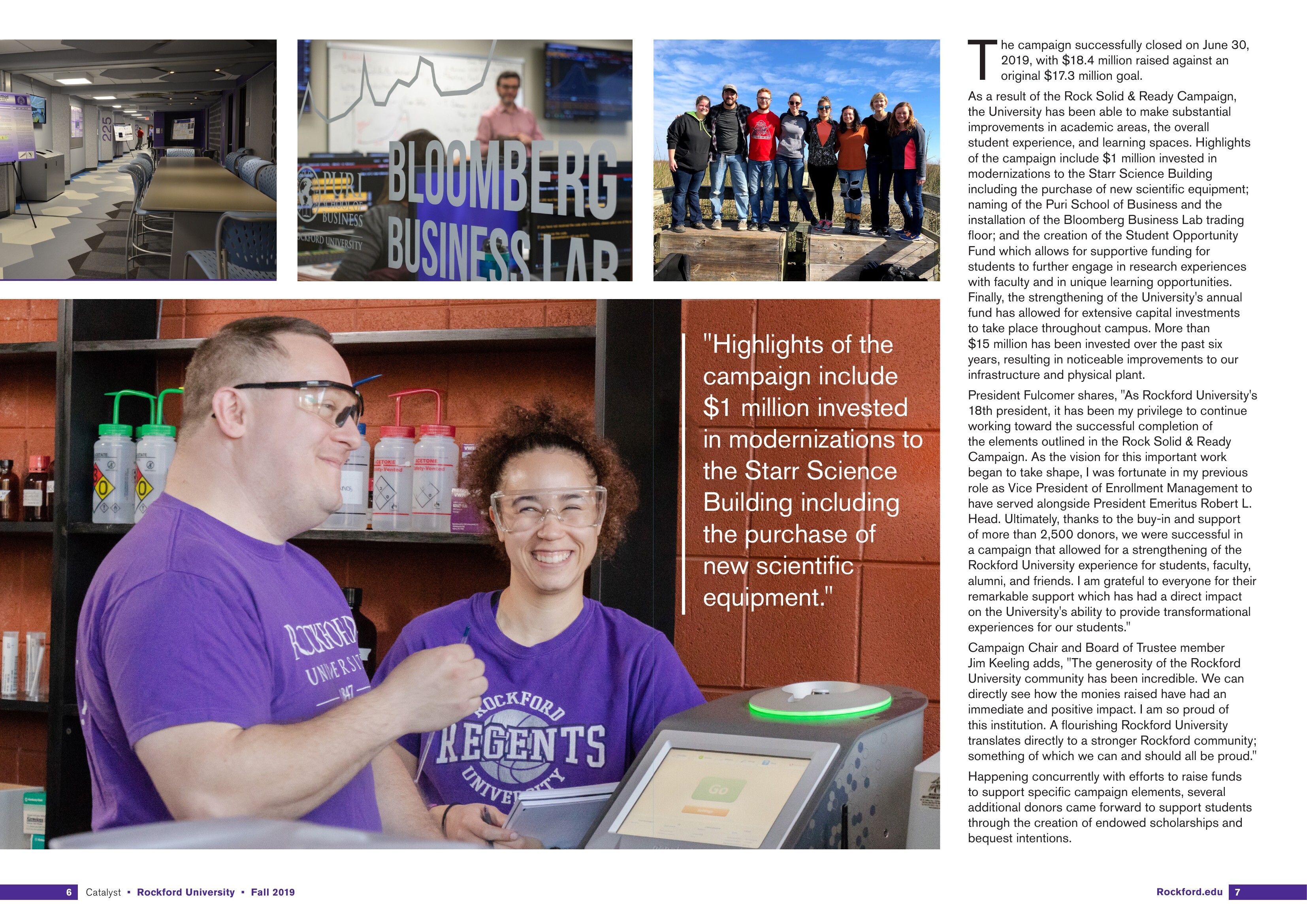
Mixed-source production: varied photography, campaign reporting, and hierarchy resolved into one coherent spread.
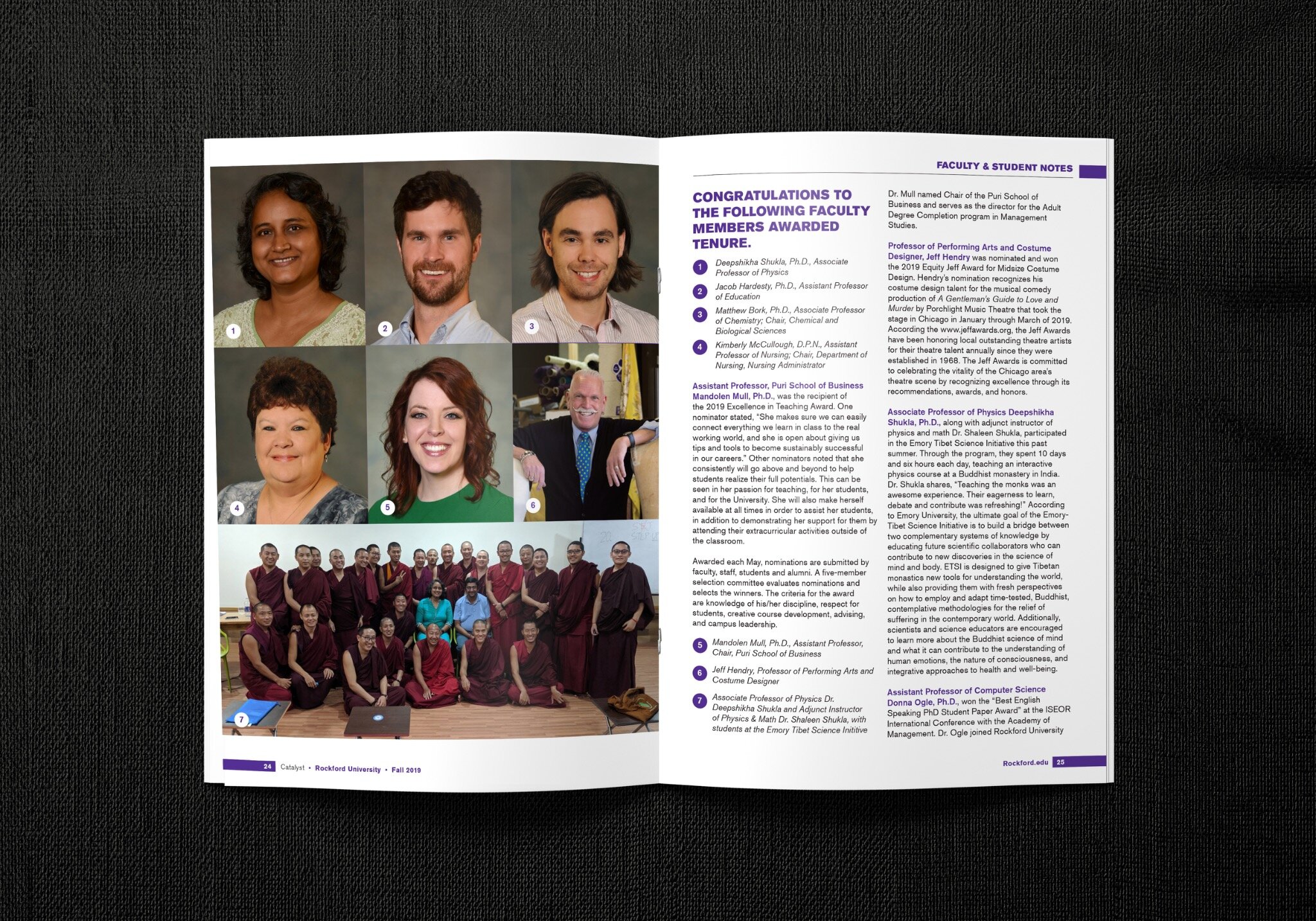
Information hierarchy: a restrained grid organizes portraits, captions, and dense faculty notes without flattening their relative importance.
Across the institution
One creative operation served distinct audiences, each with its own goals.
These applications are supporting evidence rather than separate case studies. Each adds a different audience, format, or production demand.

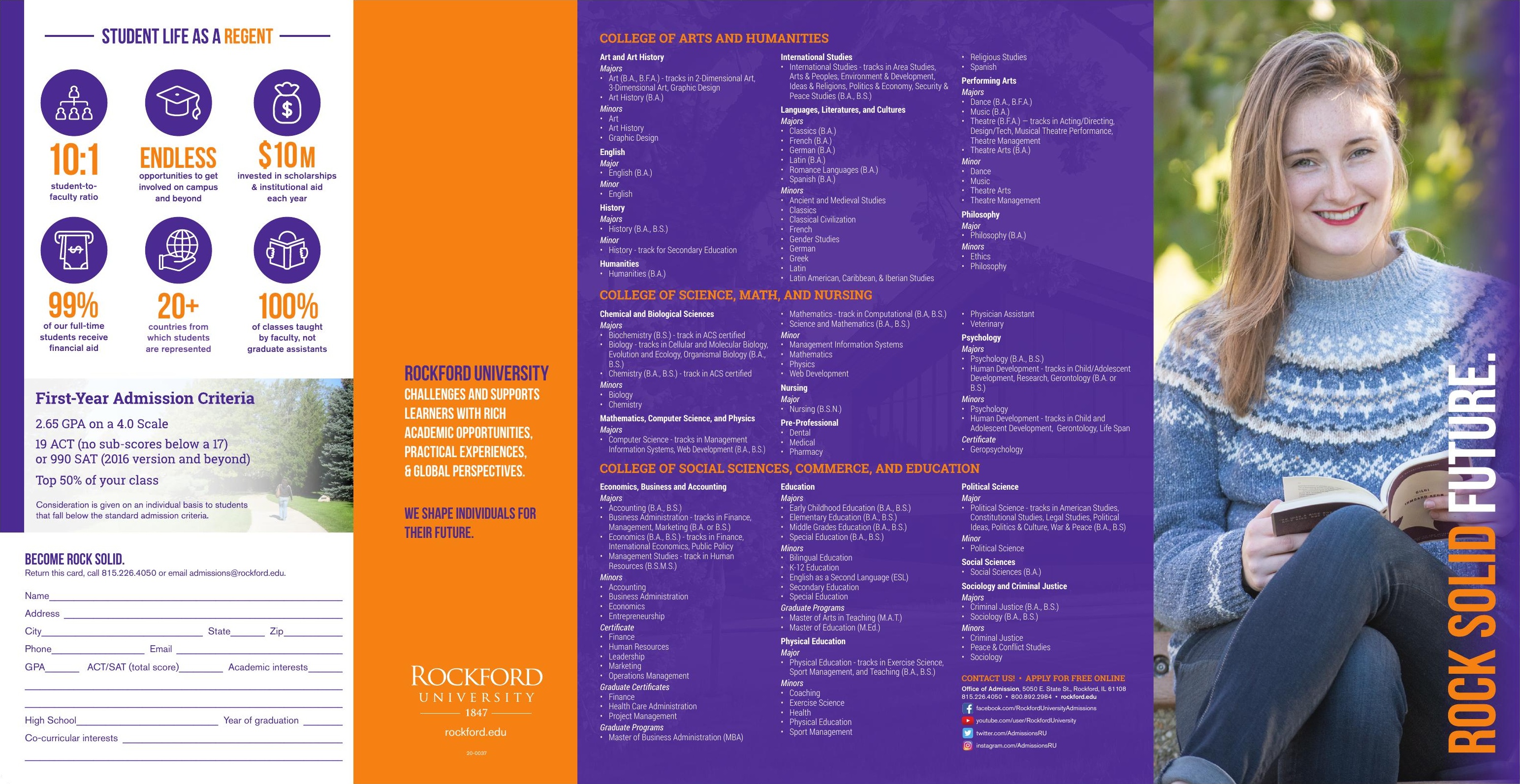
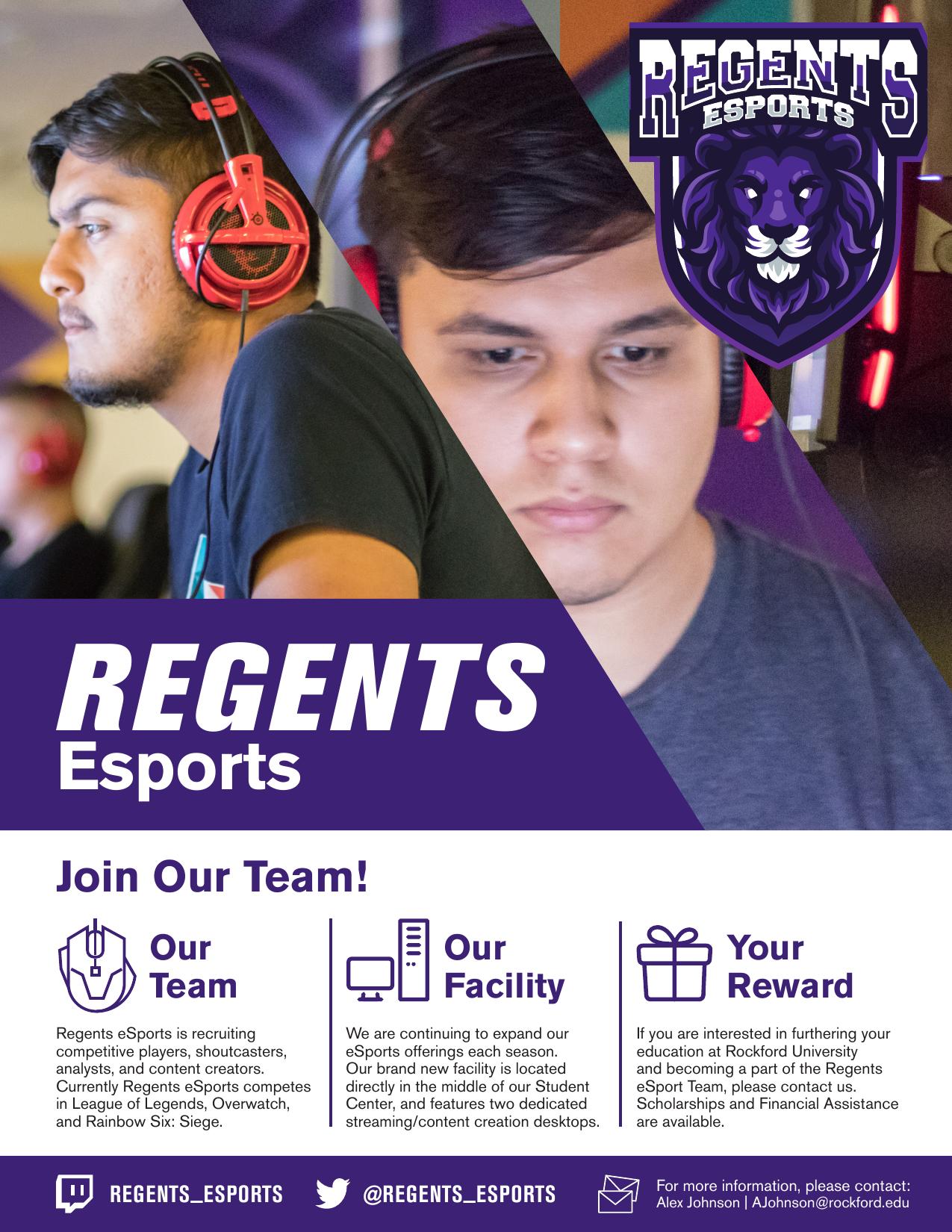
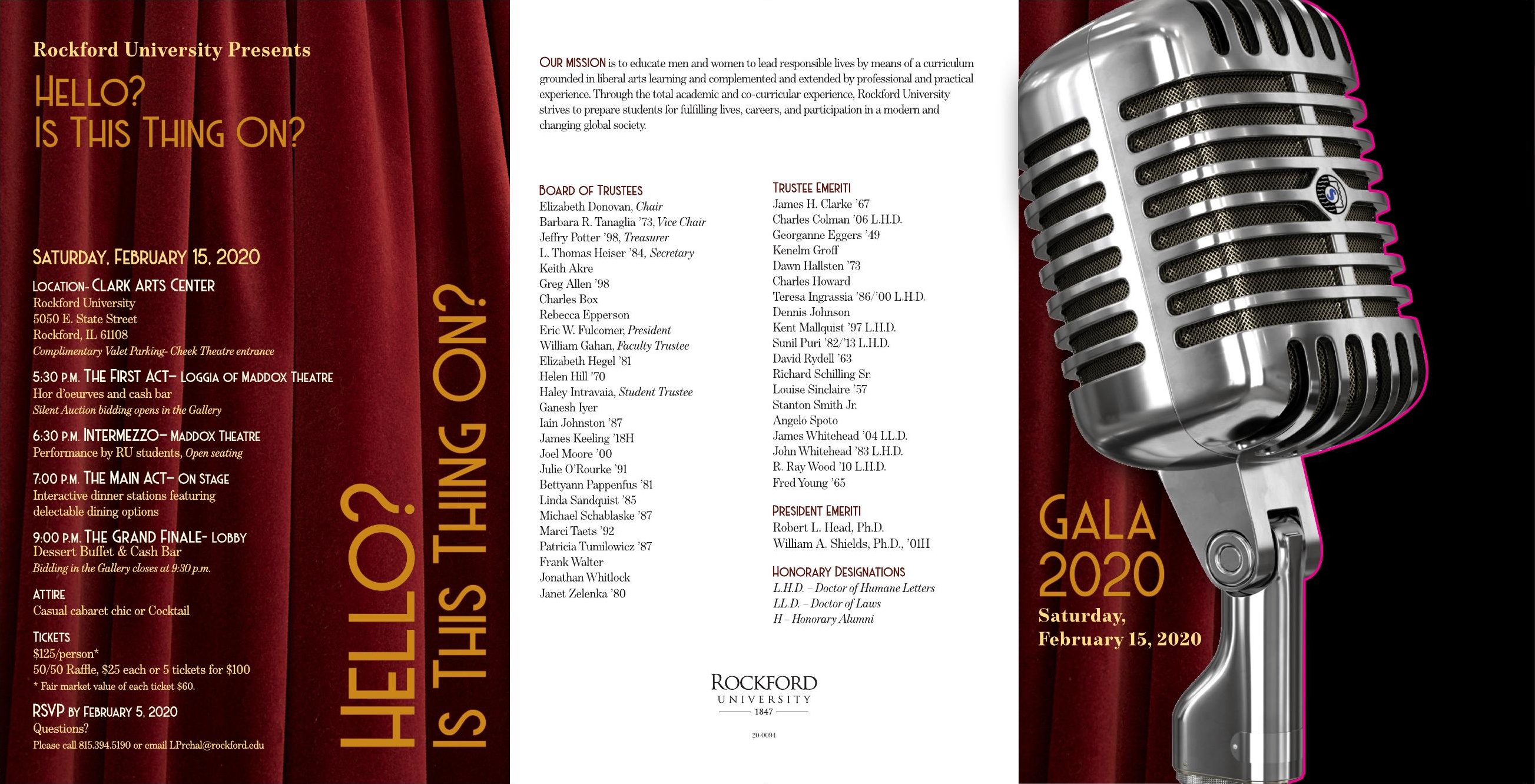
One designer.Many audiences.One institutional brand.
Recruitment, advancement, alumni relations, athletics, events, and campus partners required different deliverables, timelines, and levels of support. The work moved constantly between high-volume recurring requests and major institutional projects.
The problem was not simply producing more pieces. The university needed a dependable way to receive, prioritize, create, deliver, and preserve work so that volume did not erode brand continuity or future production knowledge.
One event; one coordinated family
The system had to hold through every deliverable.
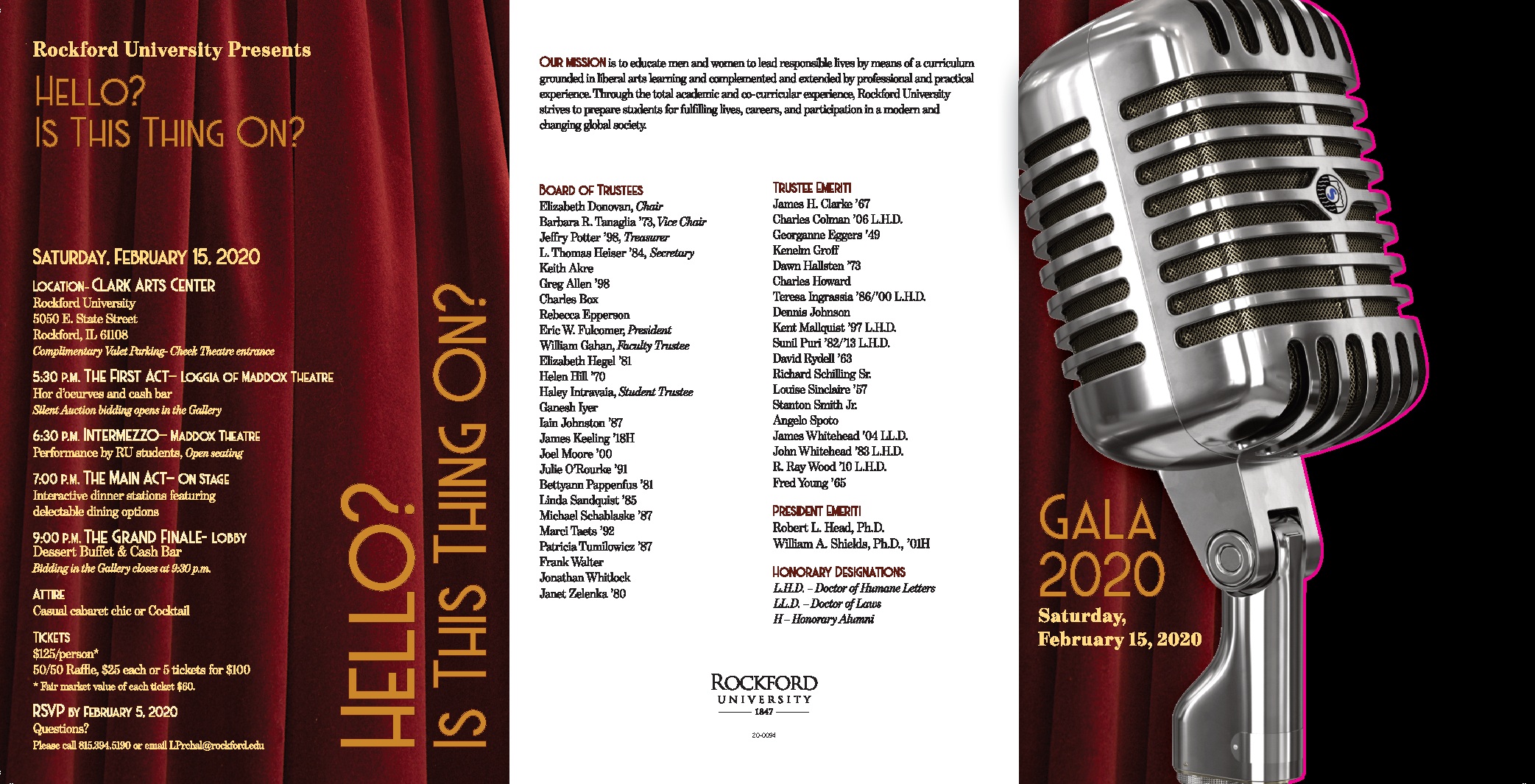
InvitationPrimary event narrative
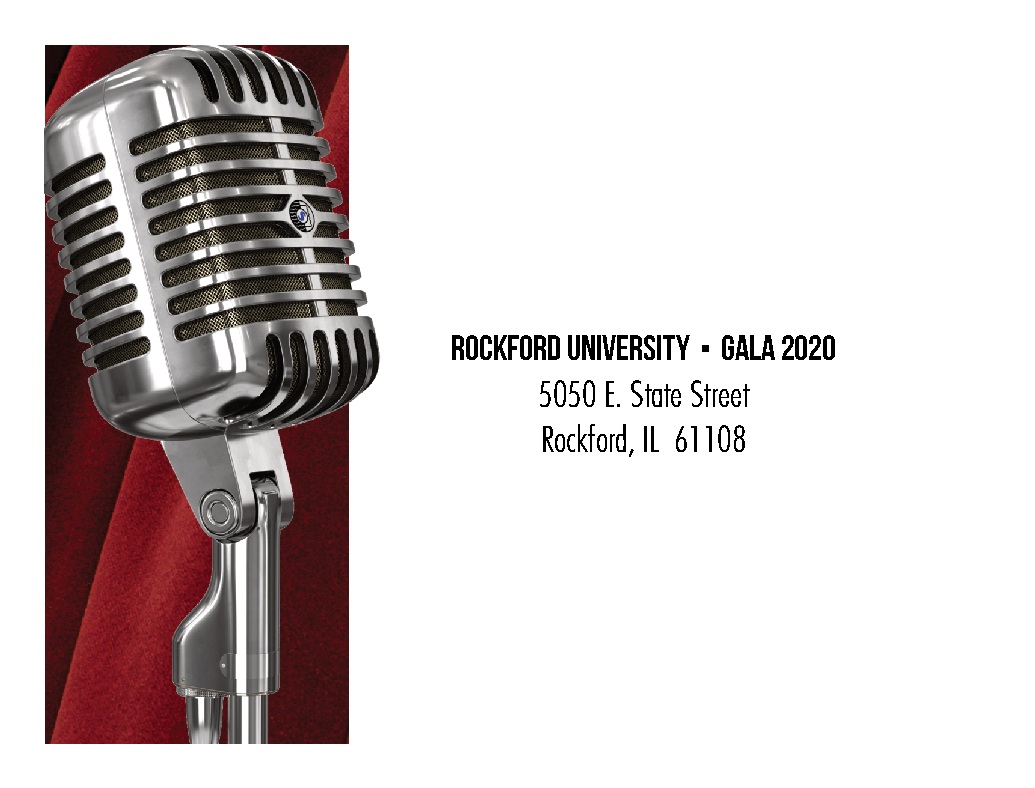
EnvelopeArrival and recognition
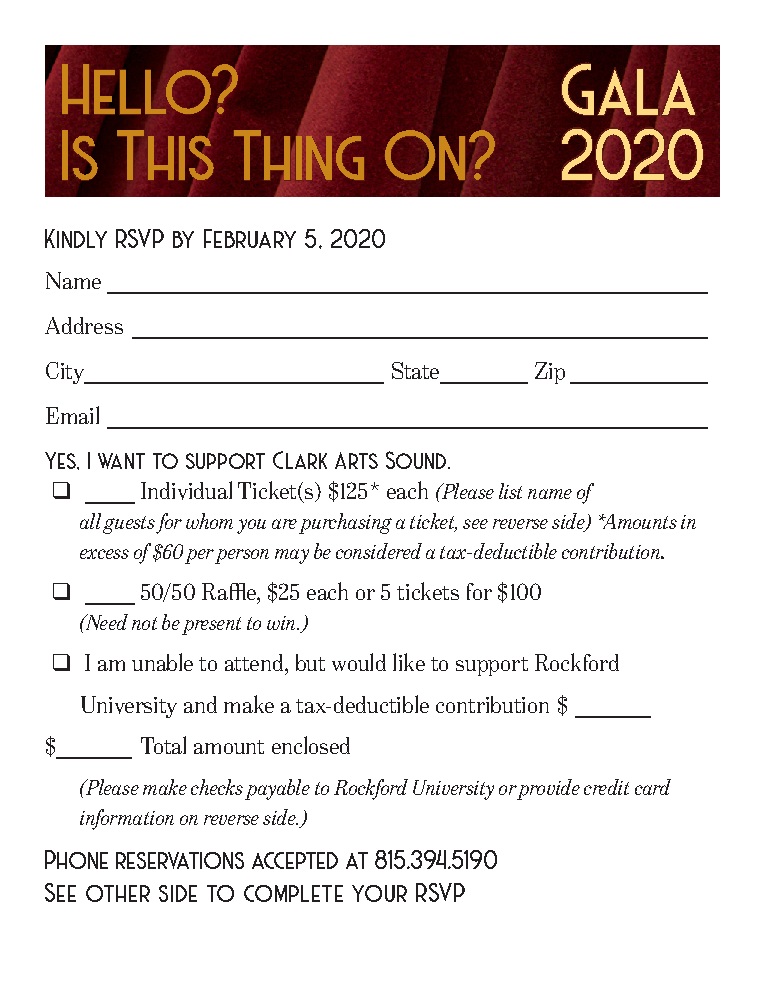
Reply cardResponse and production detail
From request to archive
Structure made the range manageable.
Intake
Clarify the audience, format, deadline, content, and stakeholders.
Track
Assign job numbers and maintain visibility across the academic calendar.
Create
Design and produce work across print, digital, environmental, and editorial formats.
Deliver
Coordinate approvals, prepare production files, and support implementation.
Archive
Preserve organized source files and reusable institutional knowledge.
A working creative function
Design and operations reinforced each other.
Project tracking kept priorities visible. Reusable files and archives protected institutional knowledge. Production standards helped work move between campus partners, vendors, and student workers. The result was not one visual template applied everywhere, but a shared operating structure capable of supporting recruitment, advancement, alumni, campus, media, and recurring production needs.
Results
05 · Results
Creative operations was not separate from the design work. It was what made consistent design possible across the institution.
The system supported a documented 250–300 scheduled print and digital pieces per academic year while preserving project visibility, brand continuity, reusable files, and a workable archive for future production.
End-to-end ownership without losing the details.
I owned projects from initial request through production and delivery, established project tracking, maintained the job-number and archive system, and trained student workers in brand and production standards. The role combined hands-on design with the operational work required to keep a broad internal client base moving.
Source materials varied widely in quality. I evaluated what could be repaired, cropped, color-corrected, rebuilt, or strengthened through layout, then made practical production decisions that protected the final piece without stopping the schedule.
Graphic Designer was my formal title. Project coordination, functional art direction, and mentoring describe responsibilities I performed, not additional formal titles.
Tools & production
Design and layout
Adobe InDesign, Illustrator, and Photoshop for publications, campaigns, and production-ready artwork.
Image production
Photography, retouching, color correction, cropping, and practical repair of inconsistent source assets.
Creative operations
Job-number tracking, intake, scheduling, file organization, archives, vendor coordination, and student-worker guidance.